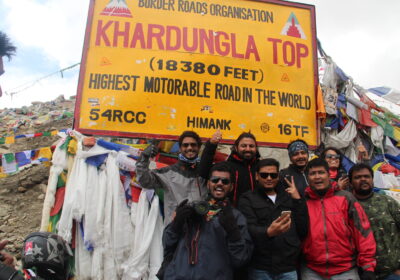
Is an Experiential Retreat Worth It for Corporate Teams?
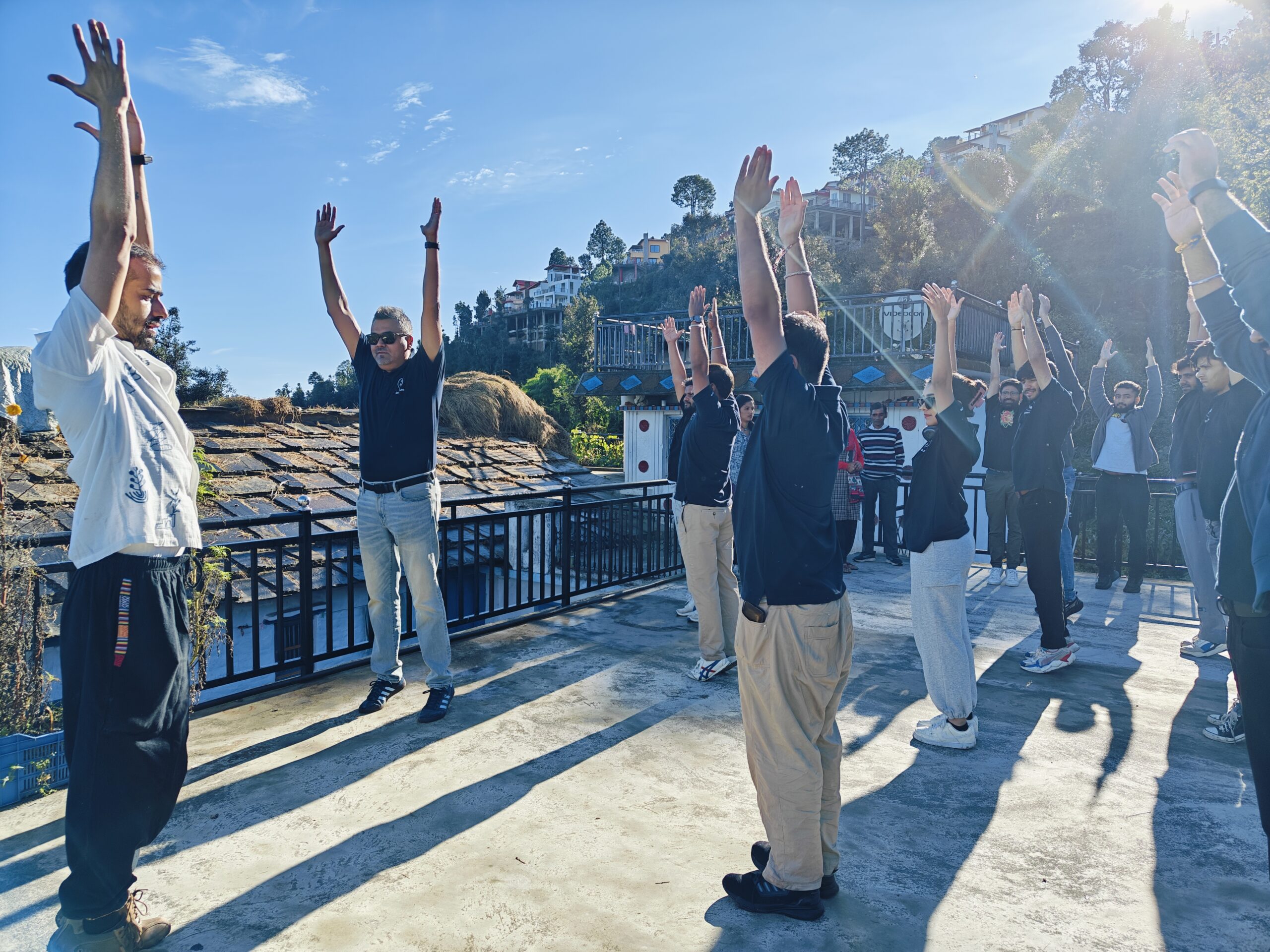
Is It Just Another Offsite?
It’s a question I hear often—though not always in these exact words.
Sometimes it comes from a founder who has done one too many offsites that felt forgettable. Sometimes from an HR head trying to justify yet another budget line. And sometimes, quietly, from a leader who already knows something isn’t working within their team, but isn’t sure what will.
“Will people actually engage?”
“Or will this just become another trip?”
“Is it really worth it?”
These are valid questions. Because most corporate offsites, if we’re being honest, don’t quite land the way they’re intended to.
Why Traditional Offsites Often Fall Short
The structure is usually familiar.
A well-appointed resort. A tightly packed itinerary. A mix of presentations, activities, and a dinner that gradually dissolves into informal networking.
On paper, it looks complete.
But what’s often missing is intention.
Teams arrive carrying unspoken dynamics—fatigue, misalignment, unresolved conversations. And yet, the environment they are placed in doesn’t always allow for those layers to surface. There is activity, but not always connection. There is interaction, but not always meaning.
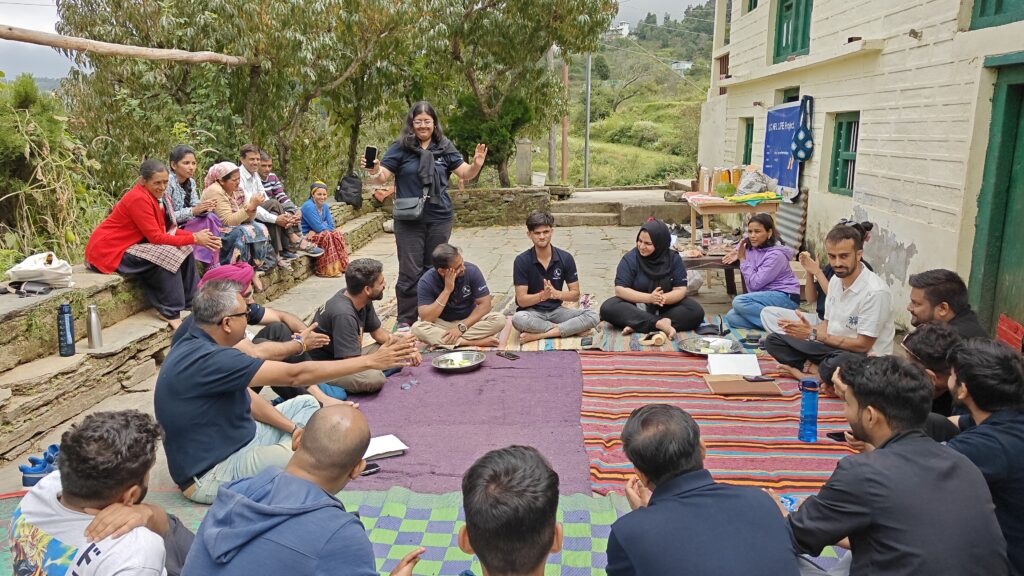
And so, while the offsite may be enjoyable, it rarely becomes memorable in the way it needs to be.
What Leadership Teams Are Actually Seeking
Over time, I’ve noticed a shift in the kind of conversations I have with corporate clients.
They are not asking for more activities.
They are asking for more depth.
They speak about teams that need to reconnect beyond roles and hierarchies. About leaders who have been operating in high-pressure environments for extended periods of time. About a desire to step out of familiar settings—not just physically, but mentally.
What they are looking for is not an escape.
It is a reset.
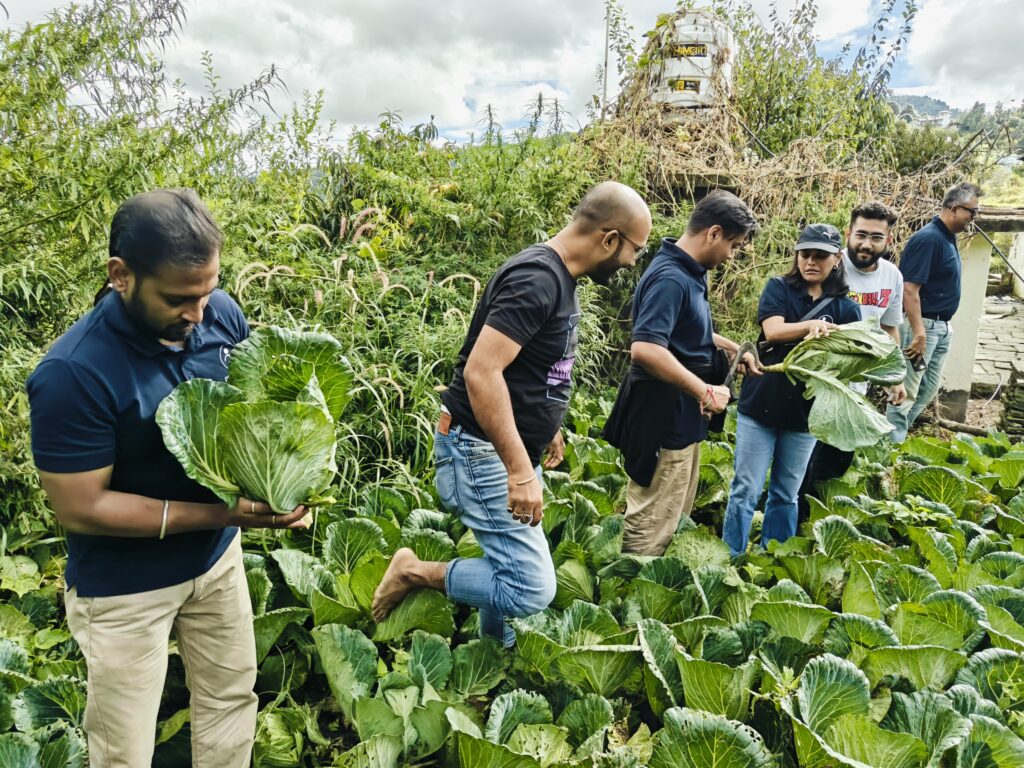
Why the Right Environment Changes Everything
One of the most understated yet powerful elements of a retreat is its setting.
When you take a team out of boardrooms and into a space shaped by nature—whether it’s the stillness of the mountains, the rhythm of a river, or the openness of a coastline—something begins to shift.
The usual structures soften.
Conversations become less guarded.
Silence becomes more comfortable.
People begin to show up differently.
I’ve seen leadership teams in the Himalayas pause mid-discussion, not because the conversation ended, but because the landscape itself invited reflection. I’ve seen strategy sessions unfold more honestly when they are not confined within four walls.
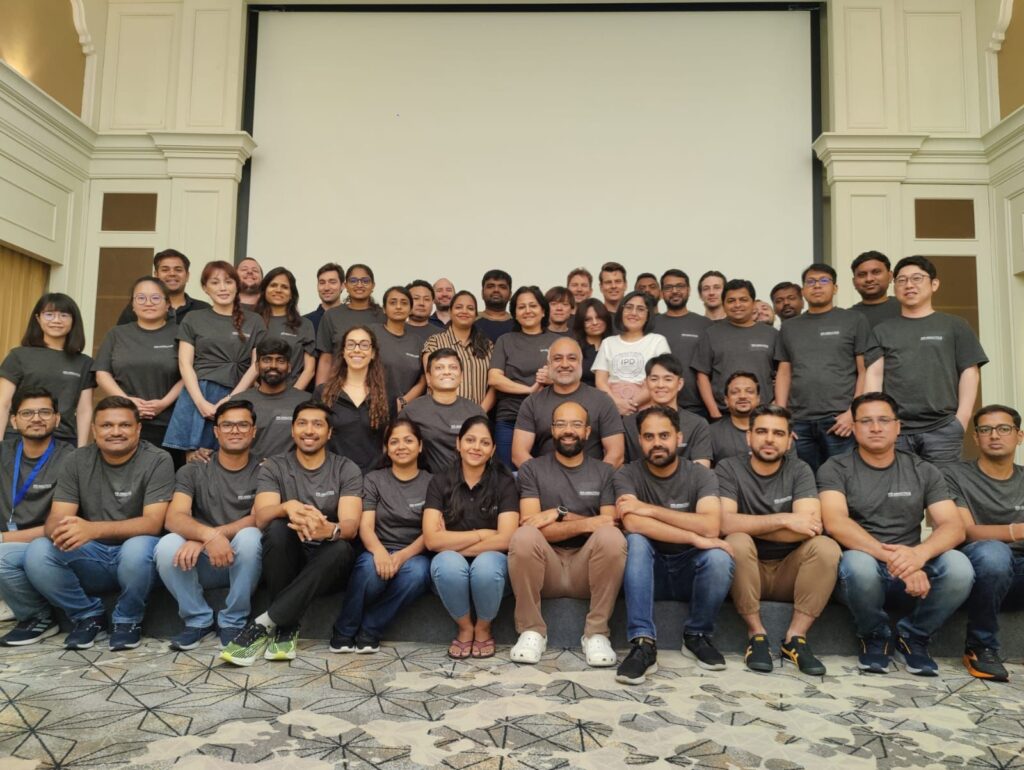
Nature has a way of doing what structured environments cannot—it creates space.
What Actually Creates Breakthroughs
The most meaningful moments in a retreat are rarely the ones that are overly planned.
They tend to emerge through carefully designed, but lightly held experiences.
I remember working with a leadership team in Jaipur, where instead of a conventional bonding session, we designed a city-wide treasure hunt. The idea was simple, but intentional. Teams had to navigate the old streets, engage with local communities, solve clues rooted in the city’s history.
What unfolded was far more than an activity.
Barriers dissolved. Hierarchies blurred. People collaborated in ways they hadn’t within office walls. There was laughter, yes—but also a renewed sense of trust.
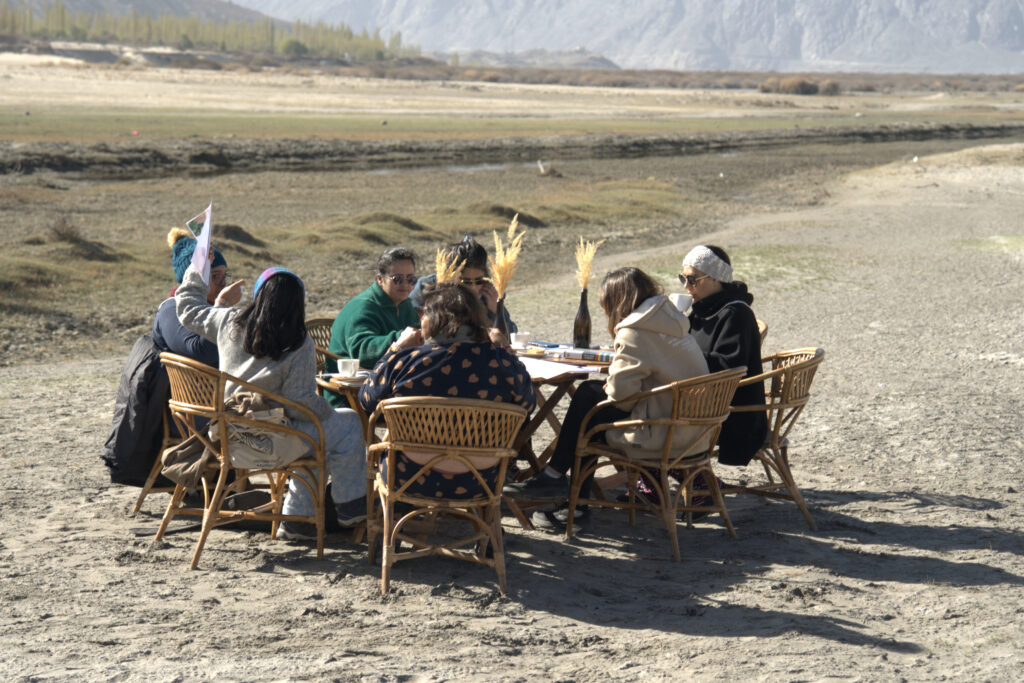
In another setting, what looked like a quiet evening circle became the most significant part of the retreat. Leaders spoke, not as roles, but as individuals. Conversations that had been postponed for months found their space.
And sometimes, the most powerful shifts happen in silence—during a walk, a shared pause, or a moment of reflection that no one had anticipated.
When a Retreat Becomes Transformational

Not every retreat needs to be transformational. And not every team is ready for it.
But when the intention is clear, and the environment supports it, something deeper can unfold.
The difference lies in how the experience is designed.
A recreational offsite focuses on engagement.
A transformational retreat focuses on alignment.
The former fills time.
The latter creates space.
It is not about doing more.
It is about creating the right conditions for something meaningful to emerge.
So, Is It Worth It?
The answer depends on what you are seeking.
If the goal is a break from routine, a well-planned offsite may be enough.
But if the intention is to:
- rebuild trust within a team
- navigate a phase of change
- create clarity at a leadership level
- or simply allow people to reconnect with themselves and each other
Then an experiential retreat can offer something far more valuable.
A More Thoughtful Way to Approach It
What I often tell my clients is this:
The success of a retreat is not measured by how much was done,
but by what shifted because of it.
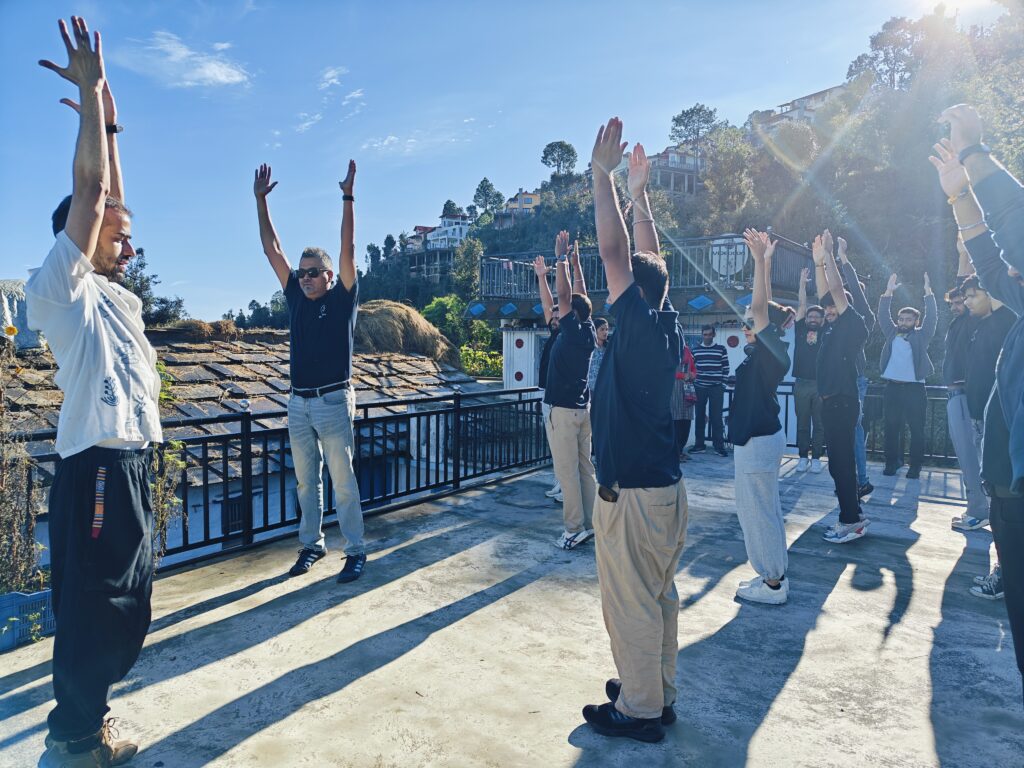
And that shift cannot be engineered through templates.
It comes from understanding the people involved, the stage they are in, and designing an experience that meets them there.
Corporate retreats are no longer just about stepping away from work. They are about stepping into a different way of thinking, relating, and leading. When done with intention, they don’t just create memories. They create momentum.
And that, more than anything else, is what makes them worth it.