
How Much Does a Luxury Retreat Actually Cost?
It is rarely the first question, but it is always there.
Somewhere between discussing dates and destinations, it surfaces—gently, almost hesitantly.
“What does something like this… usually cost?”
Let me say this upfront. If you’re looking for a fixed number, this blog won’t give you one. Because a truly luxury retreat isn’t priced like a hotel room. It’s designed like an experience.
And the cost depends less on where you go —
and more on how deeply you want to experience it.
What I’ve come to understand over the years is that this question is not really about numbers. It is about value. About whether the experience will justify not just the financial investment, but the emotional one too. Whether it will feel different from the many journeys they’ve already taken. Whether it will offer something that cannot be easily defined, but is deeply needed.
Because the kind of travel I design isn’t built on itineraries alone.
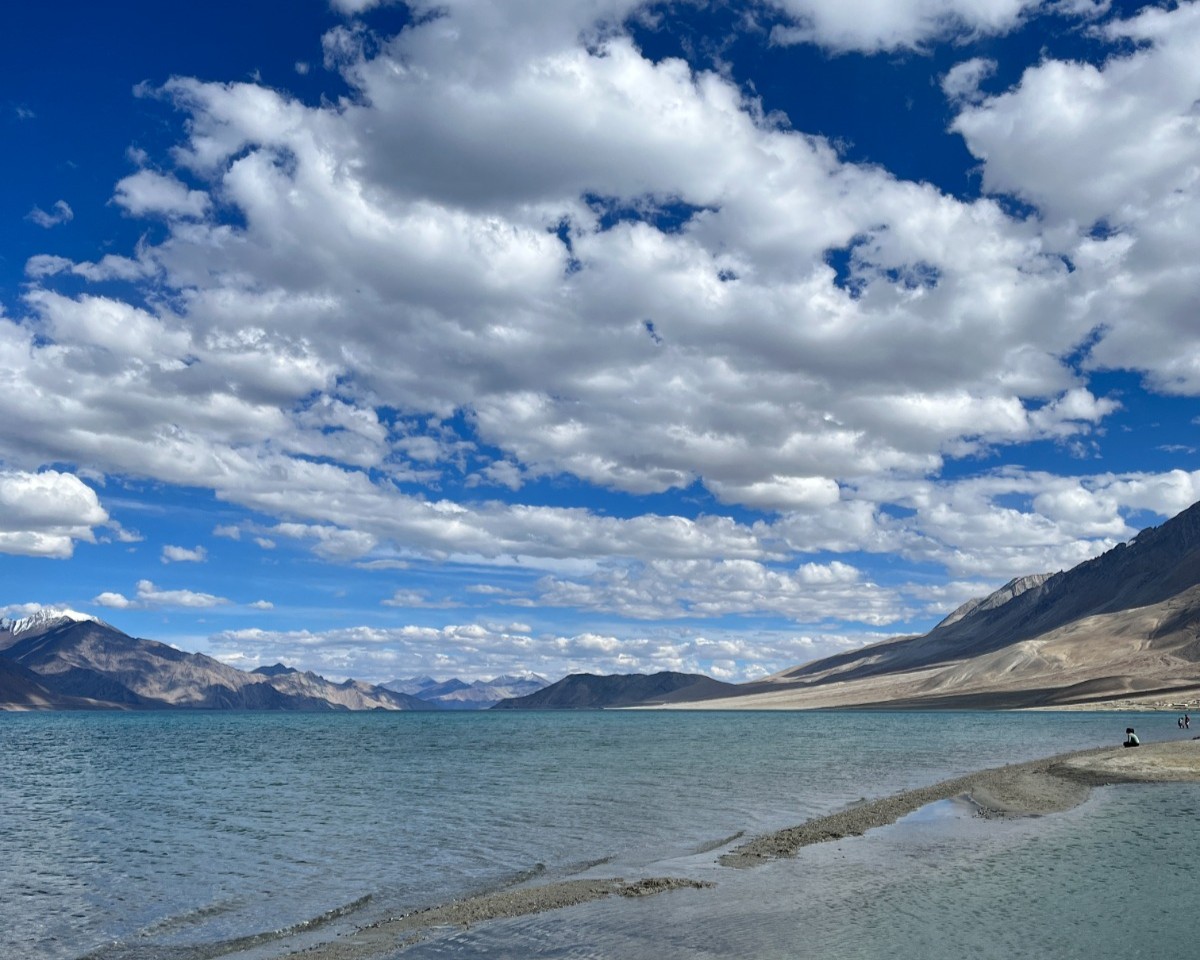
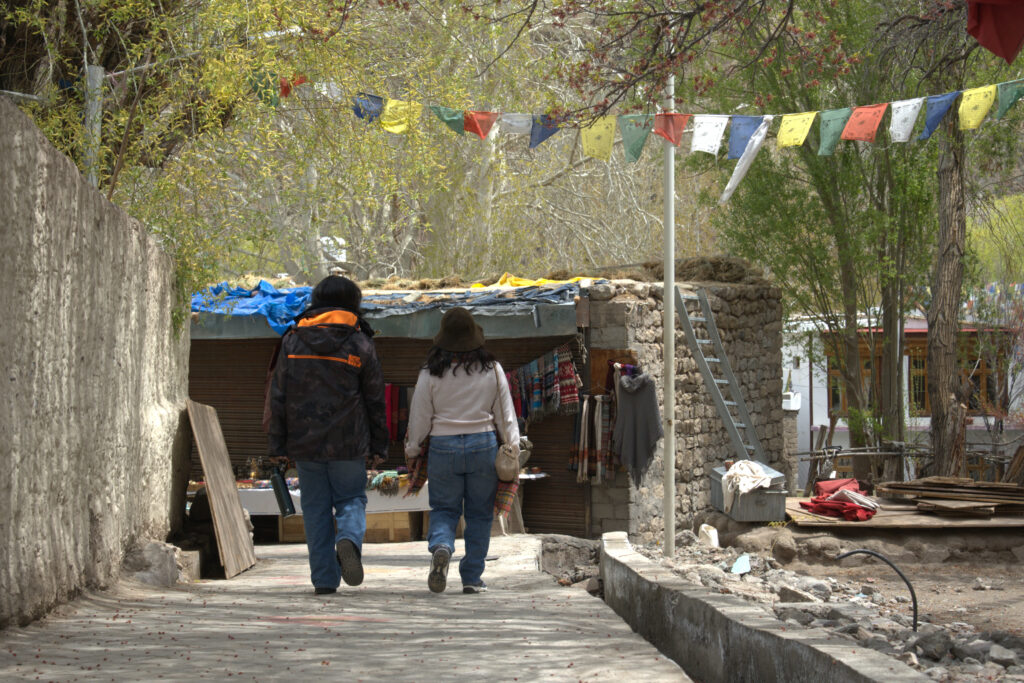
Across places like Ladakh, Rishikesh, Bhutan, and even Cambodia, I’ve found that what draws people in is not luxury in its most visible form, but something far more nuanced. These are destinations that carry a certain stillness, a sense of inherited wisdom. They do not try to impress. They invite you to slow down, to listen, to experience.
Luxury, in this context, begins to look different. It looks like:
• waking up in a boutique stay that feels nothing like your city life
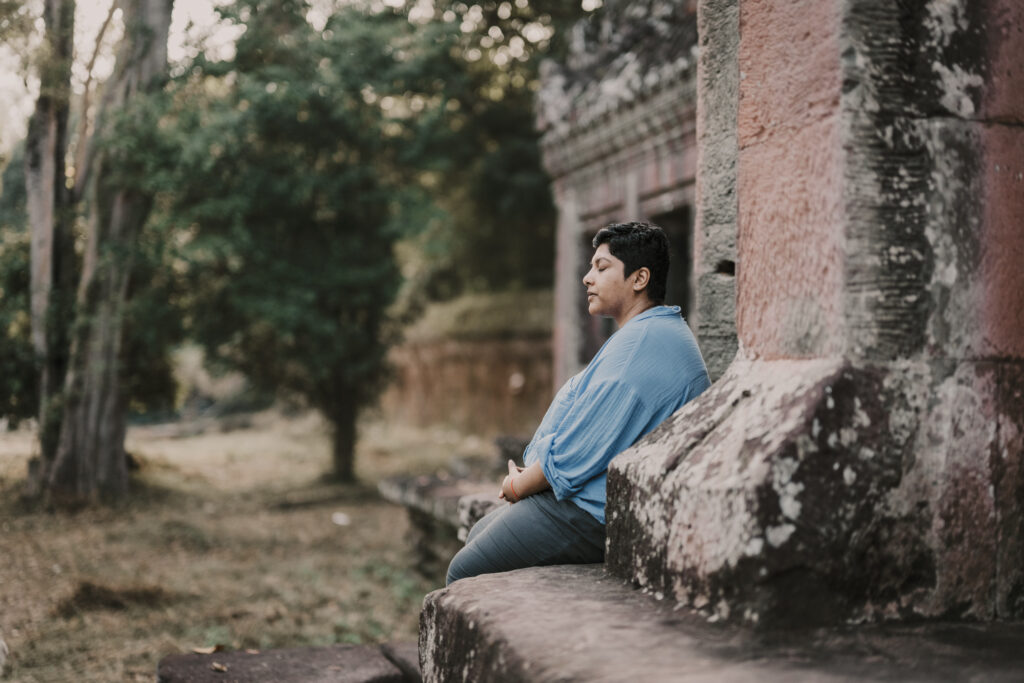
• sitting in silence with mountains that don’t ask anything from you
• conversations that shift something internally
• experiences that stay long after the trip ends
The real luxury is depth. And that’s what defines the cost.
Designing a Luxury Retreat
Before we ever arrive at numbers, my clients often ask questions that reveal far more about what they’re seeking.
They speak of exhaustion without always naming it. Of teams that need reconnection. Of a desire to step away from environments that feel repetitive, even when they are luxurious. They are looking for something that doesn’t feel like a hotel, or a checklist, or even a holiday in the conventional sense.
They are, in many ways, looking for a shift. And that is where the design of the journey begins. The cost of a luxury retreat is shaped by a series of choices, most of which are invisible at first glance.
Private vs Shared Experiences
There is the decision to travel privately, rather than as part of a fixed group. This allows for a certain fluidity—an ability to pause when a moment feels meaningful, to change pace without constraint, to engage more deeply with a place. It is a quieter, more personal way of experiencing a destination, and naturally, it carries a different cost.
Where You Stay: Boutique vs Standard Luxury
Where one stays also plays a defining role. While large luxury hotels offer comfort and familiarity, the spaces I tend to work with are often smaller, more character-driven, and intentionally designed to reflect their environment. A lodge in Ladakh with only a handful of rooms. A riverside retreat in Rishikesh where the rhythm of the day is dictated by the light. A Bhutanese property where architecture itself feels almost meditative. These places are not interchangeable, and that is precisely their value.
The Kind of Experiences You Choose
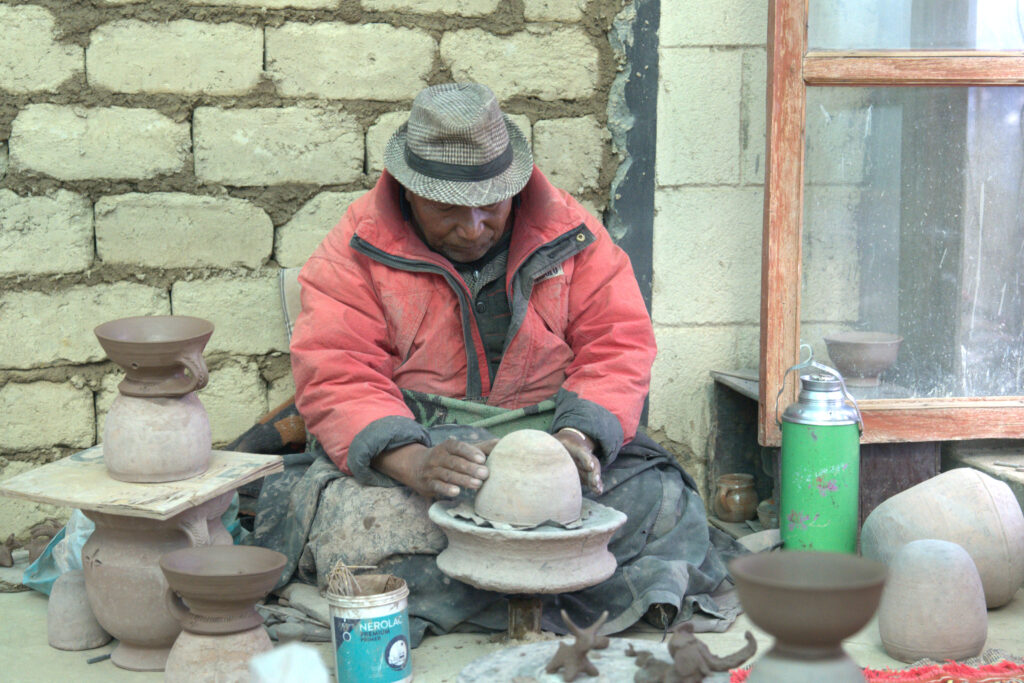
Experiences, too, are approached differently. Instead of moving from one landmark to another, the focus shifts to moments that feel personal and immersive. A private meal set within a heritage space. A quiet interaction in a monastery, away from the usual flow of visitors. A spa experience that is not simply indulgent, but genuinely restorative. These are not additions to the journey; they are its essence.
Wellness & Facilitation
For many, particularly those in leadership roles, there is also an increasing desire to incorporate elements of wellness and reflection. This may take the form of guided practices, conversations held in carefully created spaces, or simply the presence of someone who can facilitate a deeper pause. In these cases, the retreat becomes something more than travel—it becomes a reset.
Logistics & Access
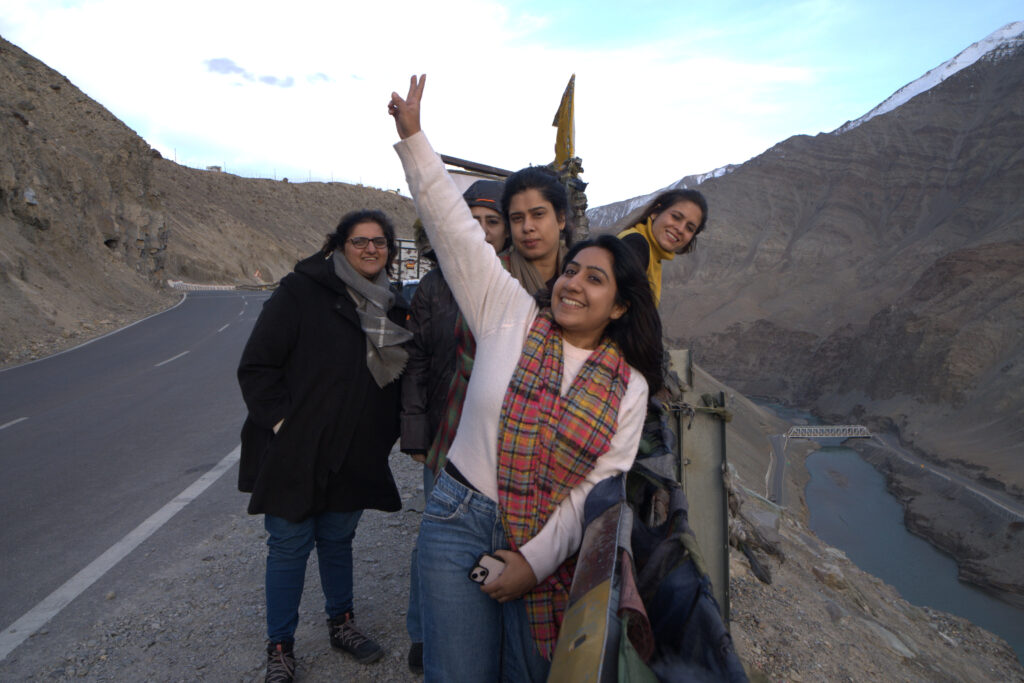
Then there are the logistics that make all of this feel effortless. Travel in regions like Ladakh or Bhutan requires a level of planning that goes beyond the obvious—acclimatization, access, local networks, timing. When done well, it is almost invisible. But it is always there, shaping the experience.
So What Does It Typically Cost?
For those who prefer a clearer sense of investment, there are broad ranges that can serve as a starting point.
A three-day retreat, designed for a quick yet meaningful pause, typically falls between ₹60,000 and ₹1,20,000 per person. Longer journeys, spanning five to seven days and involving more immersive experiences across destinations like Ladakh or Bhutan, often range from ₹1,50,000 to ₹3,50,000 or more. Corporate or leadership retreats, which include a higher level of customization and facilitation, may extend from ₹1,50,000 to upwards of ₹4,00,000 per person.
These are not fixed figures, but reflections of how varied and personal these journeys can be.
The Real Question Isn’t Cost. It’s Intention.
What I often find is that the true value of the experience becomes clear only once one is within it. It may be a moment of stillness in the mountains, or a conversation that unfolds unexpectedly. It may be the feeling of being completely removed from the usual pace of life, even if only for a few days. And in that moment, the question of cost tends to fade, replaced by a quiet recognition that something meaningful has shifted.

Choosing the right destination, in the end, is less about popularity and more about alignment.
Ladakh offers a certain clarity, shaped by its stark, expansive landscape. Rishikesh brings a grounding energy, rooted in its spiritual rhythm. Bhutan invites introspection, while Cambodia holds a more ancient, contemplative presence. Each place offers something distinct, and the role of a well-designed journey is to match that essence with where you are in your own life.
A luxury retreat, then, is not defined by how much is spent, but by how deeply it is experienced. And that depth cannot be replicated through templates or packages. It comes from designing something that feels considered, personal, and quietly transformative.
These journey often begins not with a destination, but with a conversation.
If you’re exploring something like this,
I’m always happy to help you think it through.