What I Discovered Beyond the Peaks
I came to Nepal thinking I’d trek mountains.
Everyone comes for Everest or Annapurna—those glacier-crowned giants that dominate the posters, the dreams, the bucket lists. But somewhere between the misty valleys and the candlelit homestays, I realized I hadn’t come for the peaks at all. I came for what lies in the stillness beneath them.
This is what I found: Nepal isn’t about conquering mountains. It’s about being conquered by the humanity that lives in their shadow.
The Unexpected Teacher: Dal Bhat and Belonging
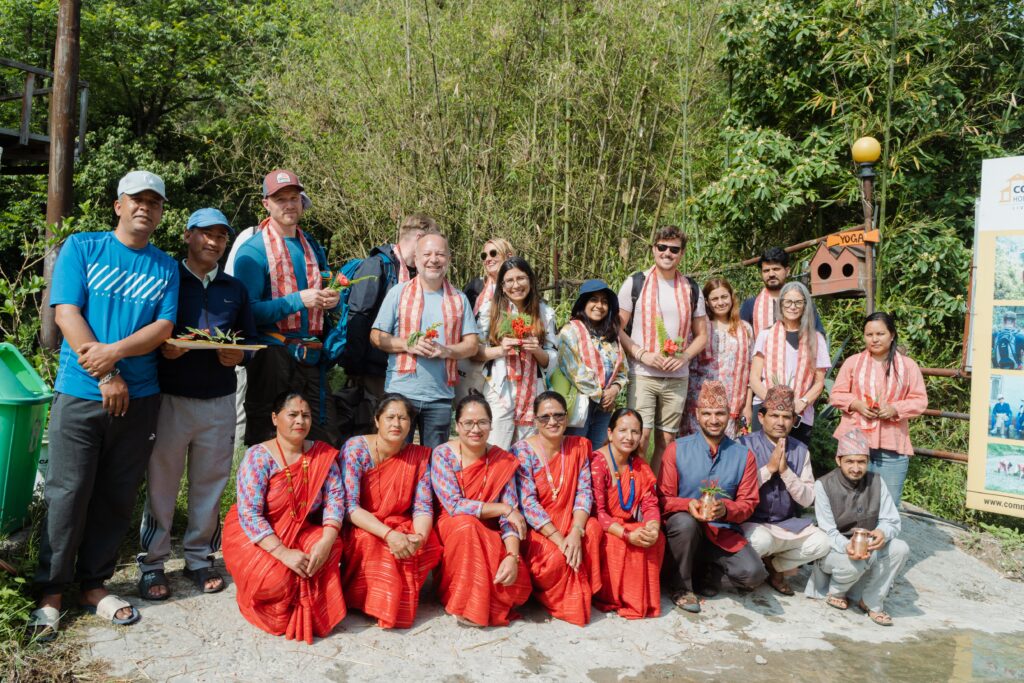
The first morning in my community homestay, I woke to the sound of spices being ground by hand—not for a tourist menu, but for lunch, like every other day in this family’s life for the past forty years. My host mother, Lakshmi, stirred her morning chai without looking at me, completely unbothered by my foreign face at her table.
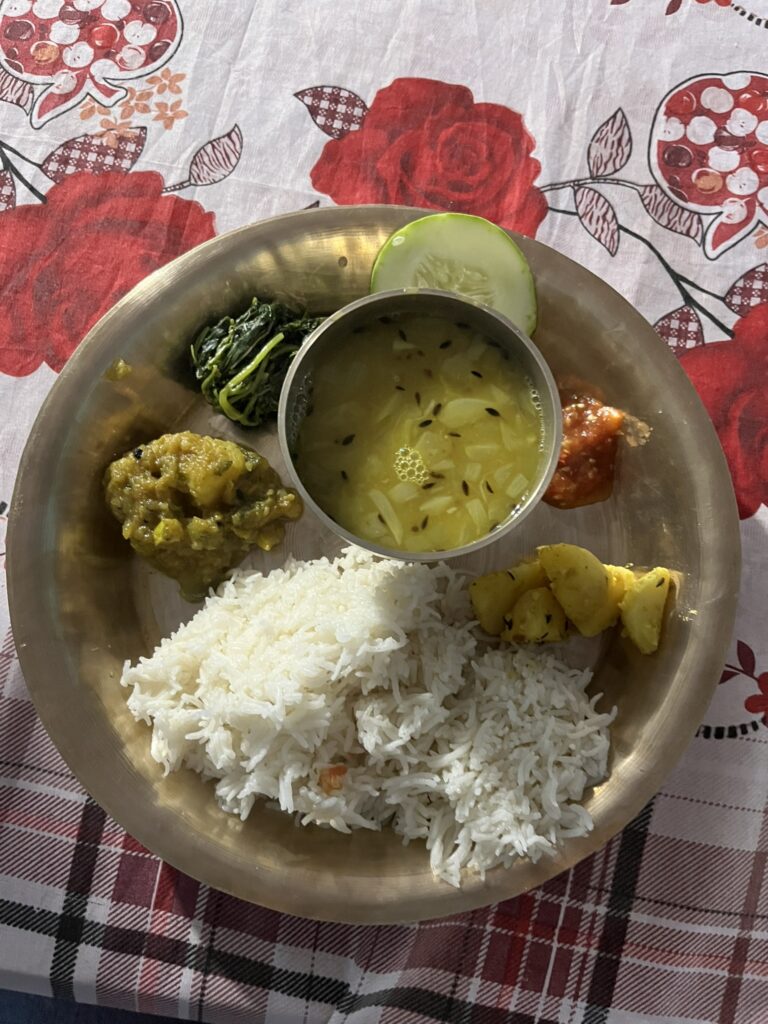
“Come,” she said simply, handing me a bowl. “Eat with us.”
Not as a guest. With us.
That’s the moment everything shifted. I wasn’t observing their life; I was becoming thread in its fabric. Dal bhat—that humble plate of rice, lentils, and vegetables—became more than food. It became a daily ritual of *being included*. No performance, no Instagram moment, just the quiet magic of sitting at a table where you belong.
I learned later that this daily meal sustained entire communities through centuries. It’s not fancy. It’s not Instagram-worthy. But it’s ancient. It’s love in its most practical form.
The Narrow Streets That Hold Stories
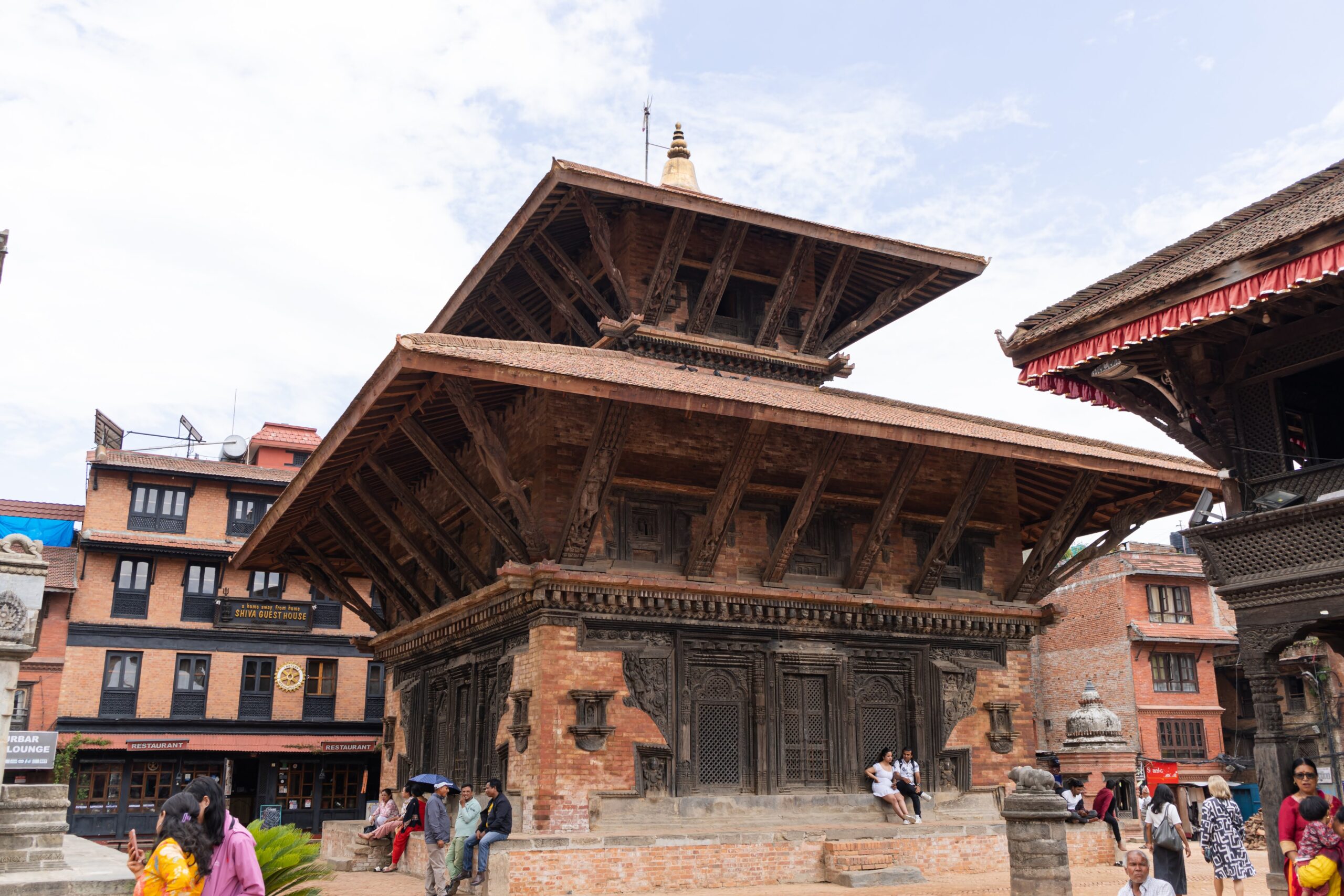
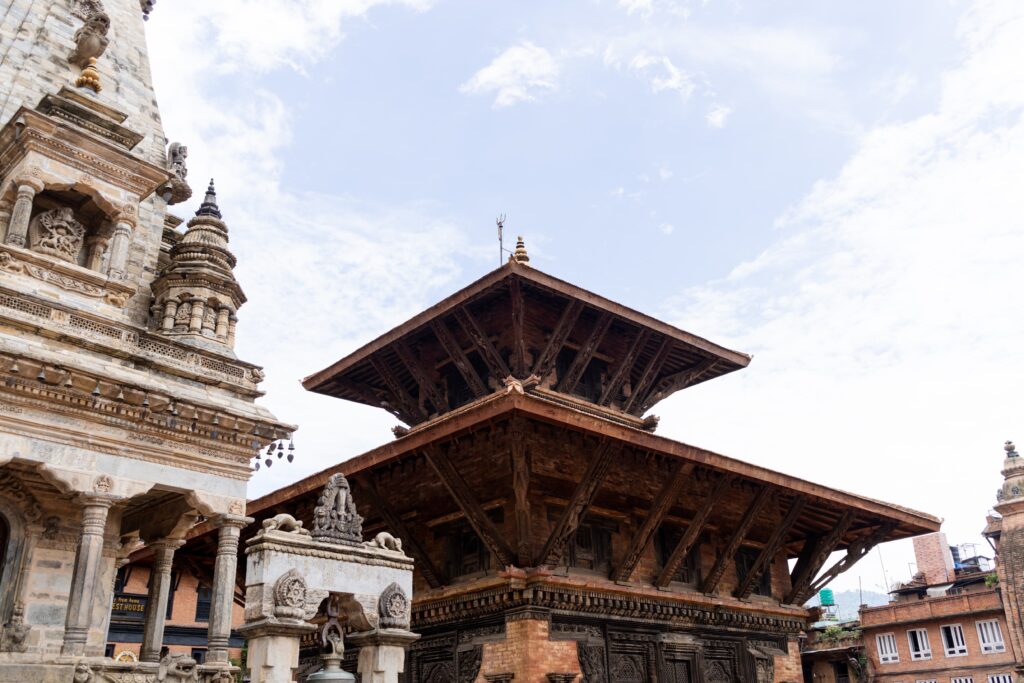
On my second day, I wandered into the old squares of Kathmandu Valley—Durbar, Patan, Bhaktapur. These cities have survived centuries. They’ve endured earthquakes that crumbled buildings into dust. And yet, they still pulse.
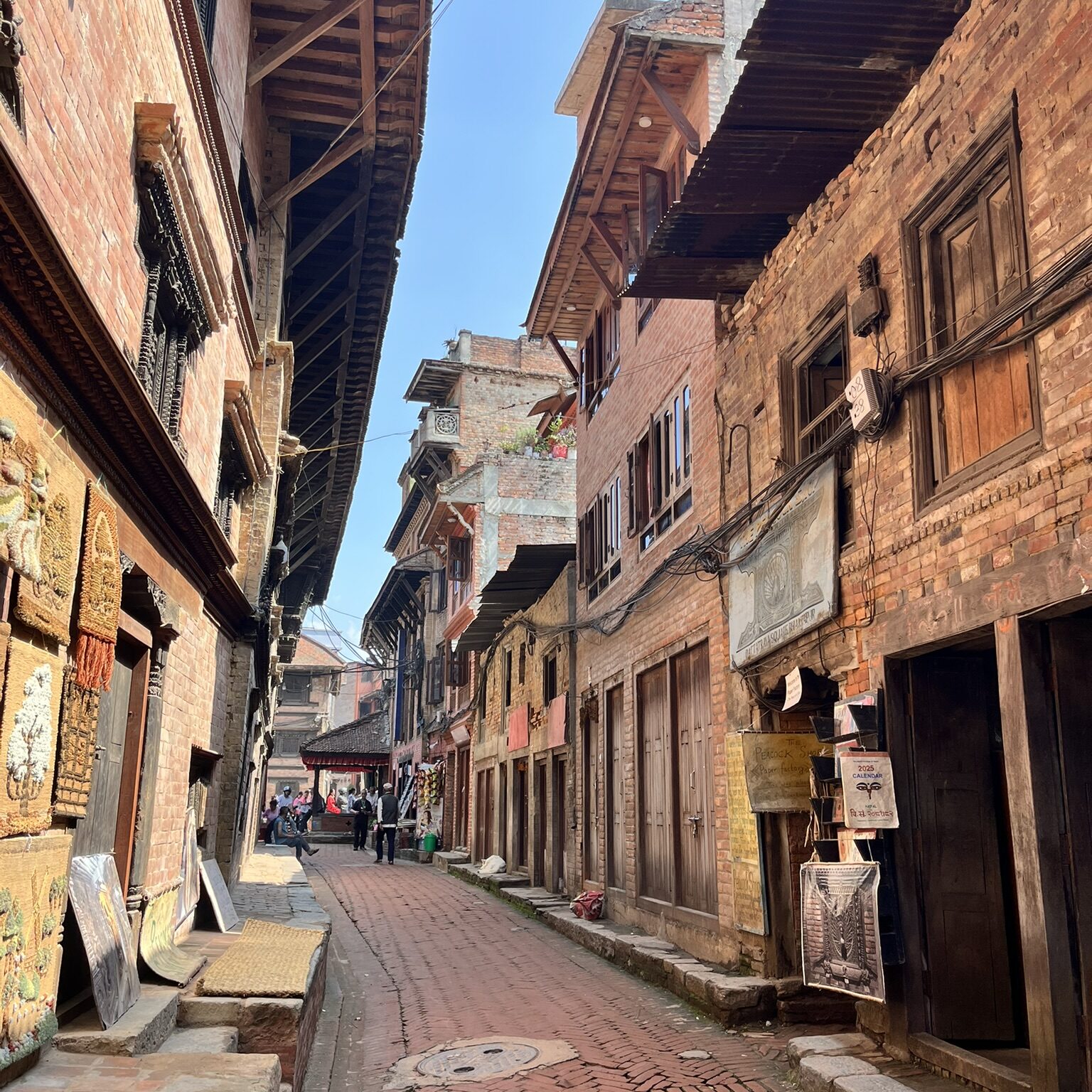
Walking through Bhaktapur’s Taumadhi Square at dawn, I passed a potter shaping clay the same way his grandfather did. A woman swept her doorstep with the same broom her mother used. The carved wooden windows on centuries-old buildings still held their original intricate patterns—peacocks and flowers and stories no one even remembers telling.
What struck me wasn’t the architecture (though it was breathtaking). It was the *continuity*. In a world obsessed with disruption and innovation, these communities simply kept showing up. They rebuilt after earthquakes. They preserved what mattered. They didn’t wait for someone to tell them their culture was valuable—they lived it.
The Language of Your Own Name
In a small workshop nestled in Patan’s winding streets, I sat with an artist who taught me to write my name in Ranjana Lipi—one of the most ancient and beautiful scripts of Nepal, used since the 6th century.
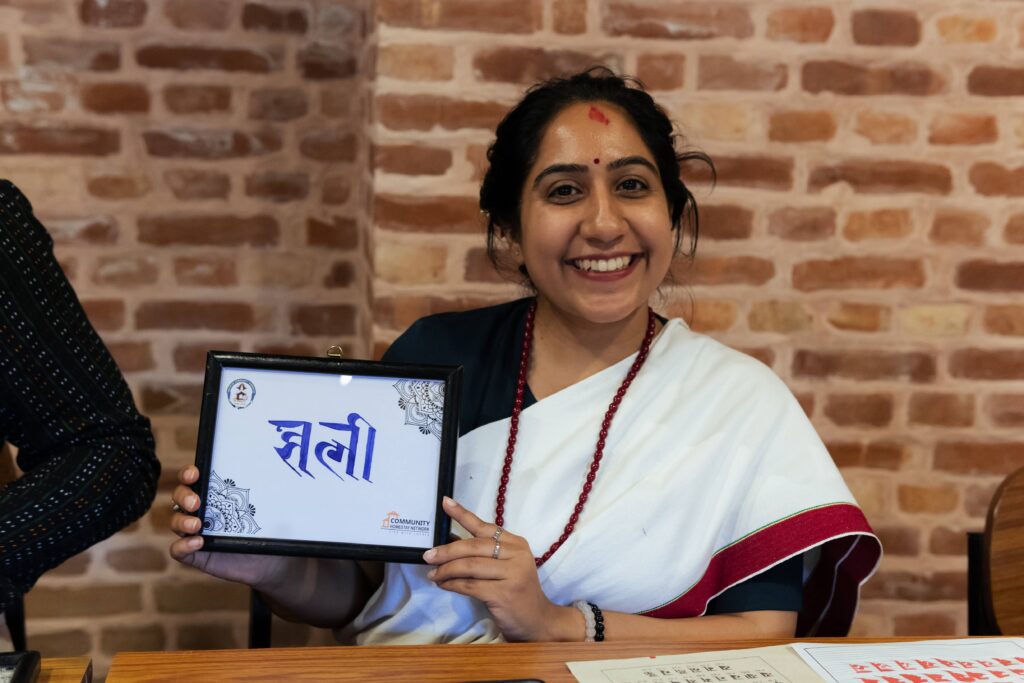
My hand felt clumsy. The curves and spirals that looked so elegant when she wrote them became tangled when I tried. But slowly, something extraordinary happened. As I traced each letter, my name became something sacred. No longer just a sound, but a visual meditation. A way of being marked in an ancient tradition.
“This script carries our dharma,” she said quietly. “Every line means something. Even your name becomes part of our story.”
I still have that paper. I look at it when I need to remember that I’m larger than I think—connected to something vast and timeless.
The Patience Behind the Carved Wood
In a workshop that smelled like fresh wood shavings and sandalwood, I sat with an artisan and tried my hand at wood carving.
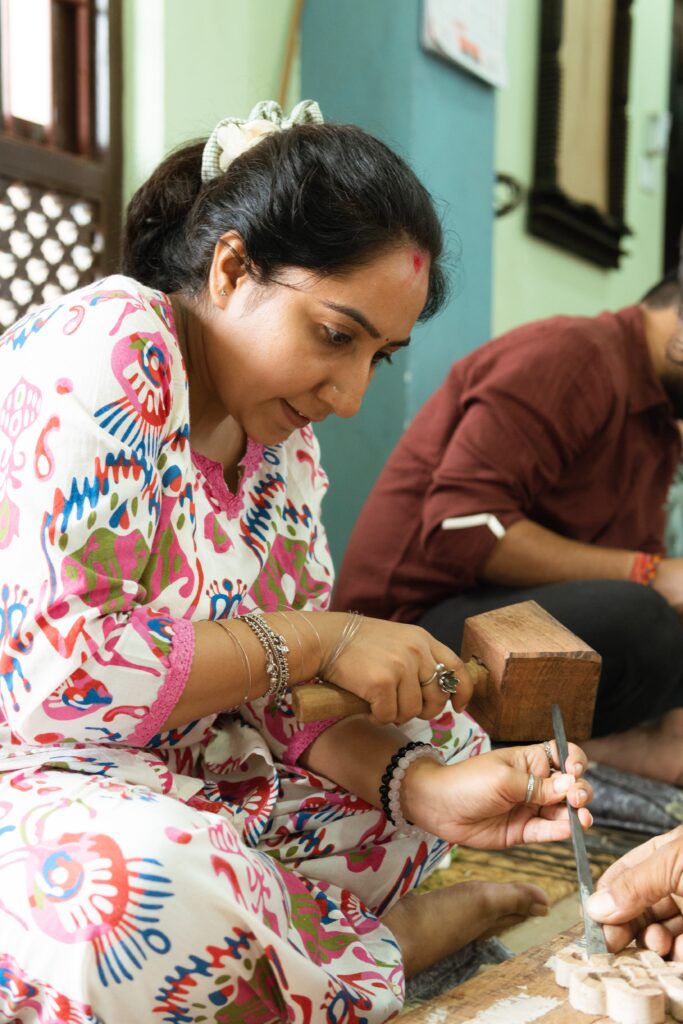
It was hard. Frustratingly, maddeningly hard.
I was impatient. I wanted to see the shape emerge quickly. But my teacher, a man who’d spent fifty years with a chisel in his hand, just smiled and said, “The wood tells you its story. You must listen.”
Every stroke mattered. Every mistake taught you something. You couldn’t rush it. You couldn’t fake it. And when you finally stepped back and saw what you’d created—even if it was just a small flower or a simple leaf—you understood: this is why Nepali temples have carvings that still make people cry five centuries later.
Patience isn’t just a virtue here. It’s a way of being.
Momos, Stories, and Independence
On a rain-soaked afternoon, I sat in a kitchen with three women making momos. They worked with the precision of dancers—fold, pleat, fold, pleat, their hands moving so fast I could barely follow.
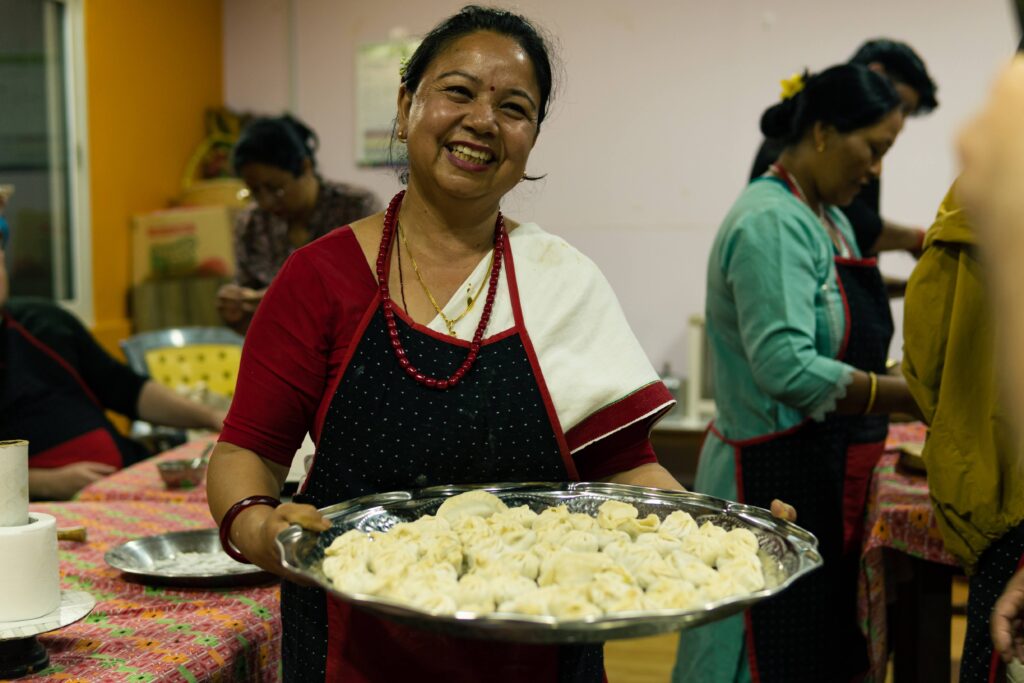
As we worked, they told me their stories. How they started this small momo business to pay for their children’s education. How they’d built independence on their own terms, not waiting for anyone to give them permission or opportunity. How they’d survived the earthquake and rebuilt not just their homes, but their dreams.
“We are not victims,” one of them said firmly, folding another dumpling. “We are builders.”
The momos they made tasted like resilience. I’ve had momos at fancy restaurants in Delhi and Bangkok, but they tasted like nothing compared to these—made with hands that had known loss and chosen to keep moving forward anyway.
When the Music Started
One evening, there was music. Someone brought a guitar. Someone else started humming. Within minutes, the whole courtyard was alive—locals and travelers dancing together, no stage, no performance, just the simple human need to move and celebrate and be together.
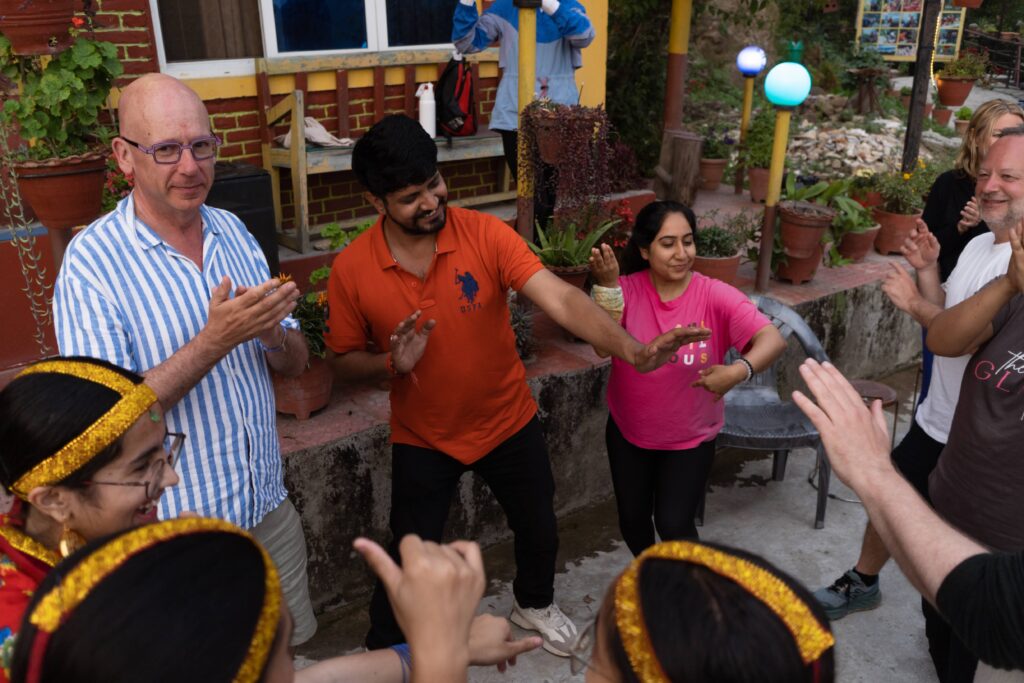
I danced badly. I laughed harder. An old man spun me around and didn’t once ask where I was from or what I did. He just smiled and kept dancing.
This is what the algorithm doesn’t show you. This is what you can’t plan. This is Nepal.
Art as Prayer: Mask Painting and Newari Wisdom
In another workshop, I learned to paint traditional Newari masks—the kind worn during festivals that have been celebrated for centuries. Using organic pigments made from plants and minerals, I carefully painted the face of a *Lakhey*, a mythological character meant to protect communities from evil.
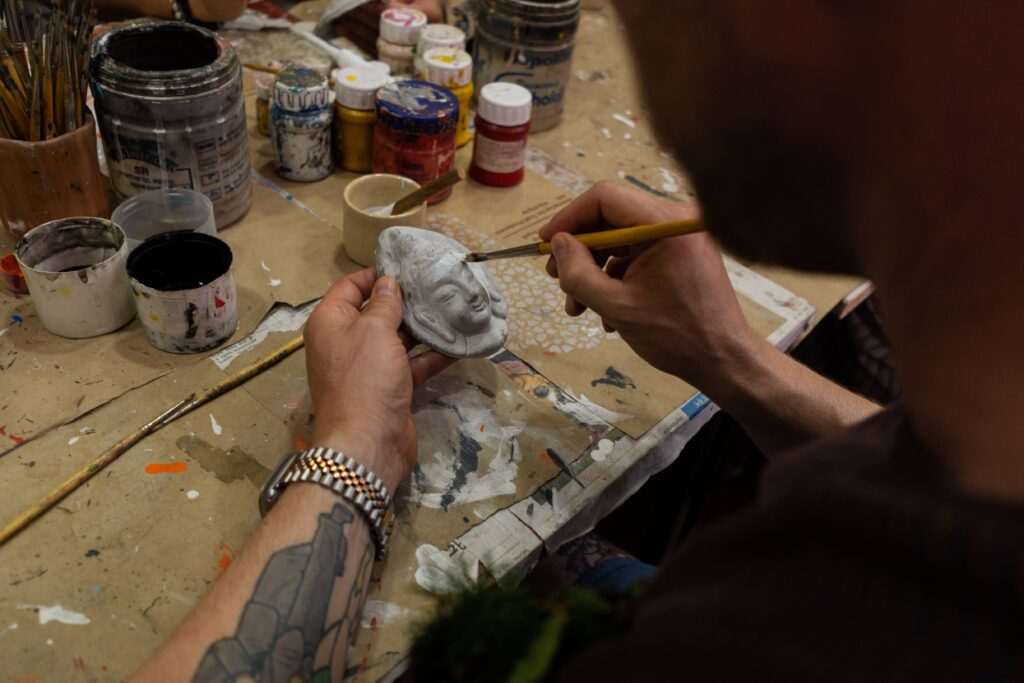
The artist explained that every color, every symbol, every line has meaning. Red for strength. Gold for divine protection. The curved horns for spiritual power. I wasn’t just painting; I was participating in a ritual that generations before me had honored.
“When you wear this mask in the festival,” she said, “you become the protector. Your body serves something larger than yourself.”
The Village at Altitude: Ghandruk’s Gift
Not every journey to Nepal is easy. When I trekked to Ghandruk—one of the largest Gurung villages—the altitude took my breath away (literally). But when I arrived at this mountain village, perched between overwhelming views of Annapurna South and Hiunchuli, something profound happened.
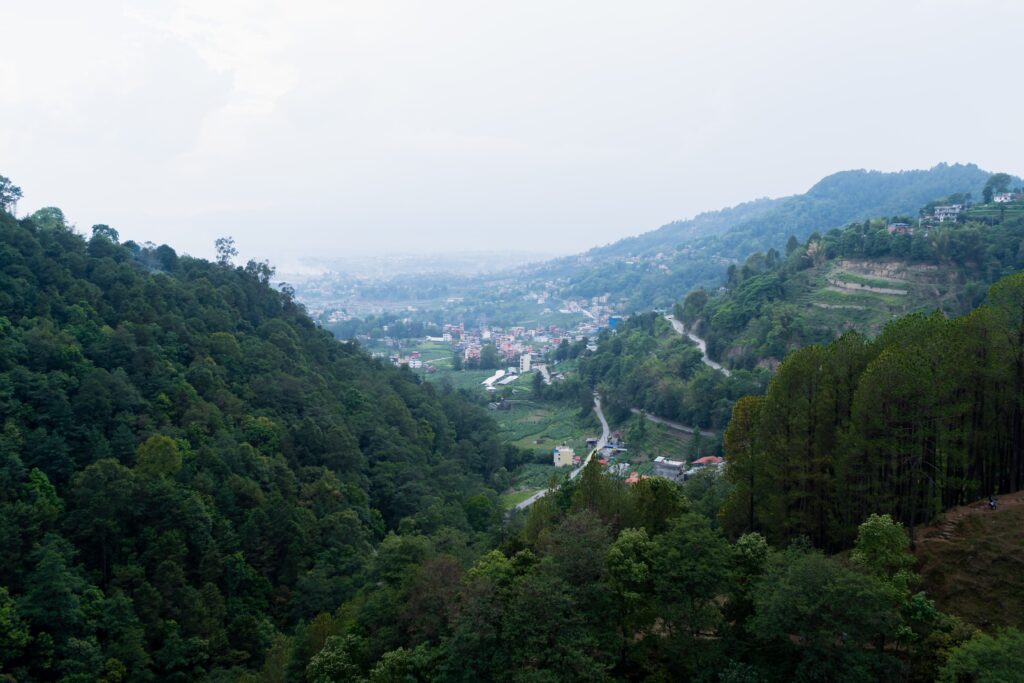
The Gurung people here have lived in harmony with these mountains for centuries. They’ve not just survived in one of the world’s most challenging terrains—they’ve built a community that’s warm, generous, and deeply rooted. Sitting with a Gurung family on their rooftop, watching the sun paint the Annapurna range in shades of orange and purple, I realized: this is the real adventure. Not conquering the peak. Being welcomed into the life that circles its base.
The Spiritual Depth That Transforms
From the living goddess traditions (Kumari Devi) to the sacred waters of Muktinath, from the ancient rituals at Pashupatinath to the morning prayers that echo through every valley—Nepal’s spirituality isn’t something you observe. It’s something you feel in your bones.
I witnessed cremations on the banks of the Bagmati, where life and death flow together. I sat in silence at temples that have witnessed millions of devotions. I took blessings from priests who’ve spent their entire lives in service. And each experience stripped away another layer of my cynicism, my armor, my false self.
Spirituality here isn’t packaged as a commodity. It’s lived, breathed, and passed down through generations like the most precious inheritance.
Food as Love Language
From eating dal bhat with my host family to sitting at fine dining at Dwarika’s where they’ve elevated Nepali cuisine into art, from a traditional Newari thaal (a plate with 24 different dishes) to home-cooked flavors that made me cry—Nepal taught me that food is never just food.
It’s memory. It’s love. It’s the way a culture says: you matter enough for me to feed you well.
The Realization
Somewhere in this journey, I stopped being a tourist and became something else. Not quite a local, but no longer a visitor. I became a witness to a way of being that our modern world desperately needs.
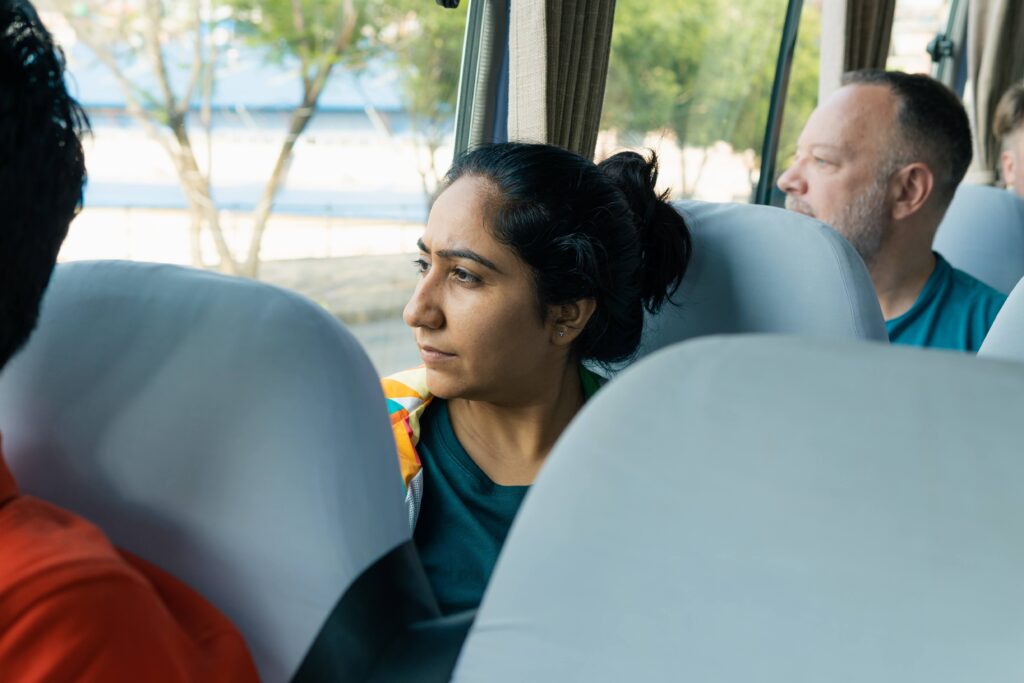
Nepal doesn’t have the fastest wifi or the most luxurious resorts (though Dwarika’s comes close). It doesn’t have the most efficient transportation or the most convenient infrastructure. But it has something far more valuable: it has presence.
It has communities that rebuild after earthquakes and still welcome strangers as family.
It has artisans who understand that patience is a form of prayer.
It has mountains that don’t need to be conquered—they just need to be respected.
It has human beings who understand, in their bones, what we’ve all forgotten: that we are here to be, not just to do.
Why This Matters
You can visit Nepal and check off the peaks. You can collect photos and stories to share on social media. But if you come to experience Nepal—if you choose to sit with families in homestays, to learn from artisans, to listen to stories, to dance when the music starts, to eat with gratitude, to witness both the joy and the sorrow—then Nepal will change you.
Not later. Not eventually. Immediately.
Because when you step into a community that’s rebuilt its home after loss, that’s chosen connection over convenience, that remembers how to celebrate and grieve and keep moving forward—you remember something about yourself too.
—
If this resonates with you—if you’re ready to experience Nepal not as a checklist but as a transformation—we’d love to create this journey for you.
At Rootsvida, we design travels that go deeper. We craft itineraries with local communities, homestay families, artisans, and teachers who will welcome you not as a tourist, but as family. You’ll eat dal bhat at breakfast, learn to carve wood by afternoon, dance under the stars at night. You’ll leave with more than memories—you’ll leave transformed.
Because the greatest adventure isn’t reaching the top of a mountain. It’s allowing yourself to be changed by the people who live at its base.
Ready to discover what’s beyond the peaks? Let’s talk.
The trip was curated by our local partner community homestay network and to explore Nepal itineraries designed for depth, connection, and soul-stirring experiences, connect with us.